

There is often a tendency in Indonesia’s tourism discussions to focus almost entirely on Bali. And while Bali remains one of the strongest tourism brands in the world, recent discussions led by the Ministry of Tourism highlighted something equally important: the future growth of Indonesian tourism cannot depend on one destination alone.
During a recent meeting attended by tourism stakeholders, investors, industry representatives, influencers, and government officials, a strong message emerged from the Ministry of Tourism. Minister of Tourism Widiyanti Putri Wardhana emphasized the need for a more balanced and sustainable distribution of tourism investment across Indonesia, encouraging investors to also look at destinations beyond the traditional centers of tourism activity.
The discussion was highly relevant. While Bali continues to attract significant investment, the Ministry has openly acknowledged that tourism investment remains heavily concentrated in Bali, Jakarta, and the Riau Islands. At the same time, destinations such as Lombok, Flores, Lake Toba, Labuan Bajo, and many others continue to present enormous opportunities for future growth.
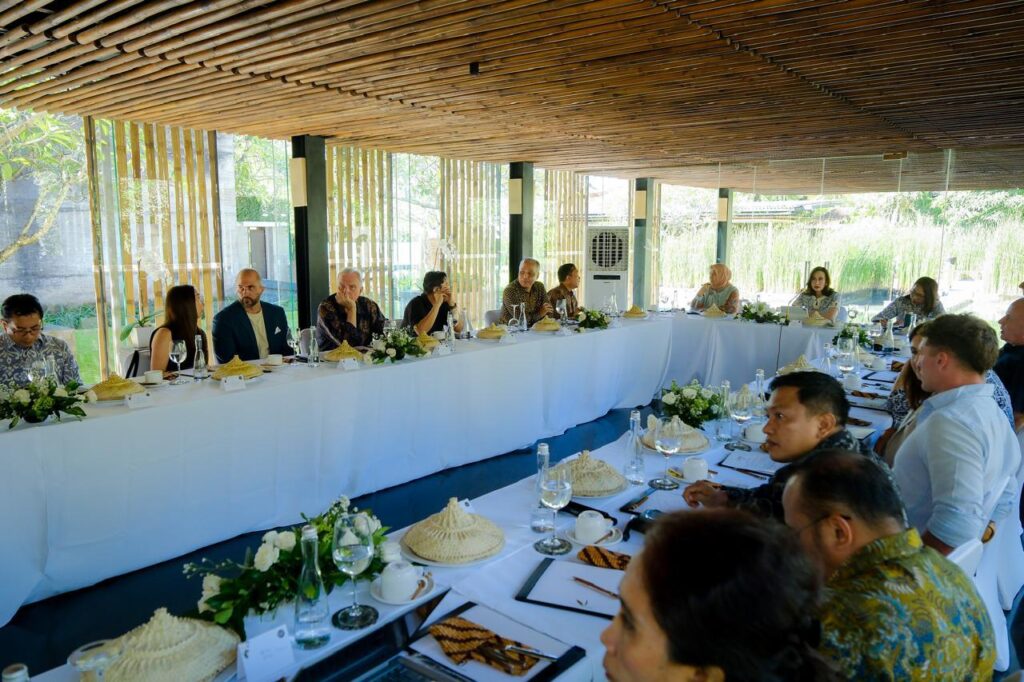
The Bali Tourism & Investment Chamber (BTIC) was proud to take part in the meeting and help bring together a broad range of stakeholders from the industry. The room included tourism operators, investors, business owners, influencers, and professionals who work daily within Indonesia’s tourism ecosystem.
What made the meeting particularly valuable was the openness of the discussions. Rather than focusing only on promotion and growth, participants openly addressed many of the practical challenges currently faced by the industry.
Topics included tourism licensing, OTA permit requirements, investment procedures, PMA complexities, compliance challenges, and the realities businesses face when navigating regulations that often involve multiple institutions and different levels of government.
For many participants, one of the most encouraging aspects was seeing provincial government representatives gain direct insight into the operational challenges faced by businesses on the ground.
Too often, issues become fragmented between central government agencies, provincial authorities, local governments, licensing systems, and industry operators. Bringing everyone into the same room created a much clearer picture of where bottlenecks exist and where solutions can be found.
The atmosphere was constructive rather than confrontational. There was a shared understanding that everyone ultimately wants the same thing: a stronger, more sustainable tourism industry that creates jobs, attracts quality investment, protects local communities, and improves Indonesia’s global competitiveness.
One of the most positive outcomes from the meeting was the agreement to establish a working group and continue regular discussions between government and industry stakeholders. This is an important step.
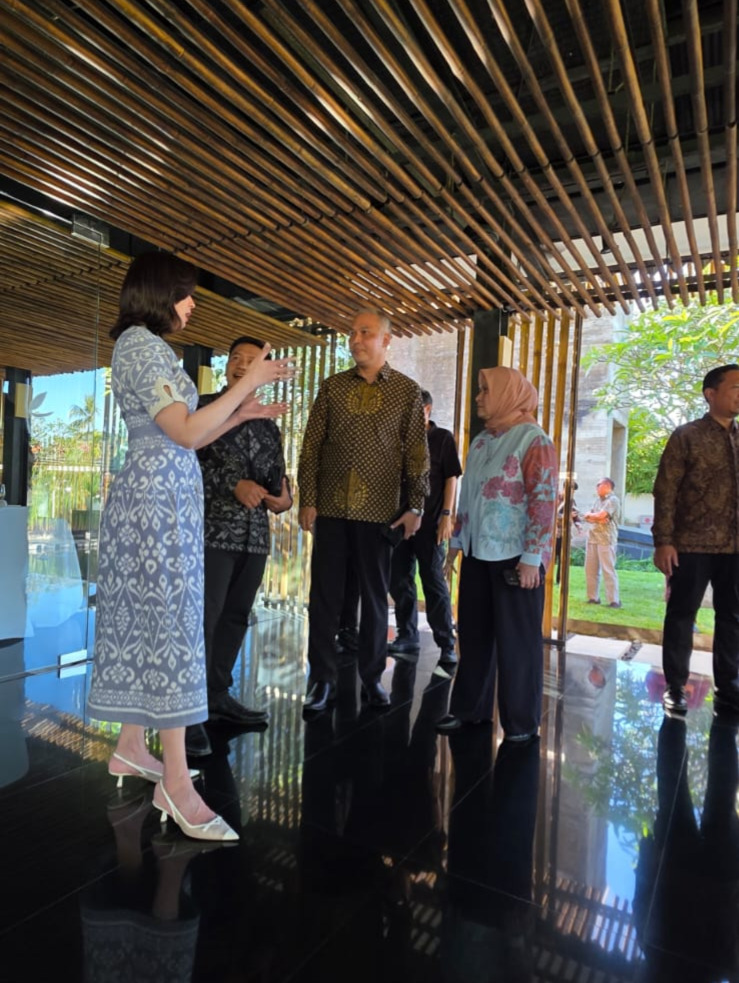
Tourism is one of Indonesia’s most dynamic sectors, and maintaining open channels of communication allows policies and implementation to evolve alongside the realities faced by businesses and investors. Perhaps most importantly, the conversation expanded beyond Bali.
While Bali remains a gateway and global showcase for Indonesia, there was broad agreement that the future of Indonesian tourism also lies in supporting and promoting other destinations across the archipelago.
Places such as Lombok, Flores, Lake Toba, Labuan Bajo, and many emerging regions possess unique cultural, environmental, and investment opportunities that deserve greater international attention. Indonesia is not one destination. It is thousands of islands, hundreds of cultures, and countless tourism experiences waiting to be discovered.
The challenge moving forward is not simply attracting more visitors. It is creating a stronger ecosystem where government, industry, investors, and local communities work together to ensure tourism growth is more balanced, more sustainable, and more beneficial for Indonesia as a whole.
Meetings like this demonstrate that meaningful progress often starts with something simple: getting the right people into the same room, having honest conversations, and building solutions together.
For those of us who participated, it was a very encouraging step in the right direction.