

Bali is evolving faster than ever. New regulations, stricter enforcement, and a rising demand for transparency mean one thing for serious investors: the era of “improvised compliance” is over.
Whether you are building a villa, opening a wellness center, running a tourism business, or buying land for development, having every permit in place is no longer optional—it is the foundation of a safe, scalable, and profitable investment in Indonesia.
Yet, most legal problems investors face today come from missing or incorrect permits in just one area. And in Bali, one missing permit can cascade into tax risks, zoning violations, operational shutdowns, and immigration trouble.
This blog outlines the essential permits every foreign investor must understand—from PT PMA setup to zoning (KKPR), environmental approvals (AMDAL/UKL-UPL), PBG/SLF, and tourism licensing—and why getting them right is the only sustainable path forward.
1. PT PMA Structure & KBLI: The Legal Foundation of Your Business
A foreign investor must operate through a PT Penanaman Modal Asing (PT PMA)—not a nominee, not an informal rental model, and not through someone else’s company.
Two things matter here:
a) Choosing the correct KBLI codes
Your KBLI determines:
➤ What business activities you can legally conduct
➤ Whether you qualify for tourism licensing
➤ Which zoning categories you may operate in
➤ What your obligations are under PP 28/2025
Mismatched KBLI codes are one of the most common—and costly—mistakes investors make.
b) Aligning the KBLI with real operational activity
If your PMA says “consulting” but you are running a villa, restaurant, or wellness retreat, you are operating illegally—even if you pay taxes. Regulators now look at actual activities, not declarations.
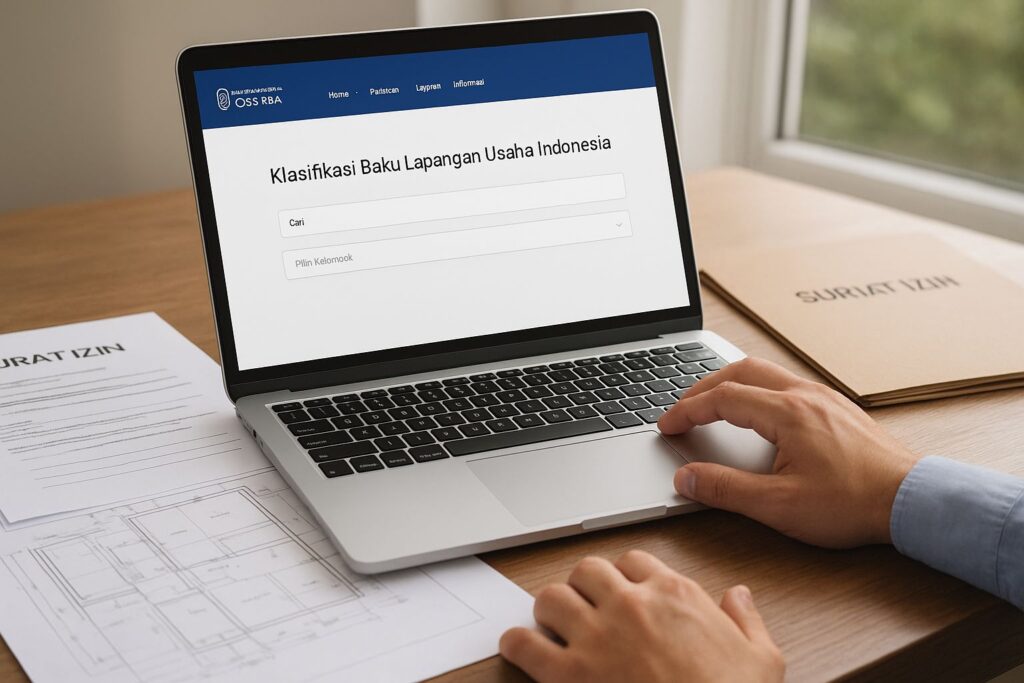
2. Business Licensing (NIB + Operational) Under OSS-RBA
Under PP 28/2025 and BKPM Regulation No. 5/2025, business licensing is tied to risk level. Every PMA must secure:
➤ NIB (Business Identification Number)
➤ Operational/Commercial licenses according to its KBLI
➤ Ongoing OSS compliance reporting
A company with a NIB but without operational licensing is considered not legally operating, and enforcement has begun to reflect this.
3. Zoning Approval (KKPR): The Most Misunderstood Requirement in Bali
Zoning is the first checkpoint for legality. The KKPR confirms that your activity is permitted on the exact plot of land.
Examples:
➔ Residential zones do not allow tourism rentals under most KBLIs
➔ Many hospitality activities require specific pariwisata zones
➔ Villas operating daily rentals in yellow zones are—by definition—illegal
When KKPR is wrong:
➔ PBG cannot be issued
➔ SLF cannot be granted
➔ Tourism licensing cannot be obtained
➔ Your PMA license becomes invalid for that location
Most major compliance problems in Bali trace back to zoning.
4. Environmental Approvals (AMDAL or UKL-UPL)
Environmental compliance is mandatory before building or operating.
AMDAL : Required for larger developments (resorts, hotels, complexes).
UKL-UPL : Required for most medium and smaller tourism-related structures (villas, restaurants, guesthouses).
Missing environmental approval can lead to:
➔ Closure of operations
➔ Fines
➔ Legal prosecution
➔ Delay or cancellation of PBG/SLF
Environmental enforcement in Bali is rising quickly due to water scarcity, overdevelopment, and community pressure.
5. PBG & SLF (Building Approval and Feasibility Certificate)
PBG : Authorizes construction based on zoning and building standards.
SLF : Certifies the building is safe and legally operational.
Without PBG/SLF:
➢ Your building is considered illegal
➢ You cannot receive a tourism license
➢ Your insurance becomes invalid
➢ You risk closure, fines, or demolition orders
Many villas in Bali still operate without SLF—this will not remain tolerated.
6. Deep-Well (Sumur Bor) Permits
Commercial wells require:
✔️ A groundwater extraction permit
✔️ Environmental documentation
Unauthorized deep wells are a growing enforcement target due to Bali’s water crisis.
7. Tourism Operating Permit (TDUP) for Daily Rentals
If you run daily rentals, you are a tourism business—not a private residence.
Requirements:
✔️ Correct PMA with tourism KBLI (e.g., 55130)
✔️ Correct KKPR
✔️ Environmental approval
✔️ SLF
✔️ TDUP (Tourism Operating Permit)
Daily rentals without TDUP are illegal even if:
👉 You claim “monthly rentals” but rotate guests every 2–3 weeks
👉 You pay taxes
👉 You advertise only on Airbnb or Booking.com
Regulators look at real usage, not the marketing language.
8. Enforcement Is Now Active: Government Institutions and Police Are Checking Compliance at Scale
This is the part many investors underestimate. Over the past 12–18 months, government institutions, OSS inspectors, BKPM, municipal authorities, Satpol PP, and the police have begun coordinated checks on:
○ PMA structures
○ KBLI accuracy
○ Zoning compliance
○ Daily rental licensing
○ Tourist accommodation legality
○ PBG/SLF status
○ Environmental approvals
○ Water extraction permits
○ Tax reporting
○ Immigration compliance for foreign workers
This is not symbolic regulation anymore. It is active, on-the-ground enforcement.
Examples of recent checks include:
➤ Police and Satpol PP visiting villa areas to verify zoning and tourism permits
➤ OSS teams verifying whether operational licenses match business activities
➤ Task forces checking environmental violations and unauthorized wells
➤ Immigration coordinating with local authorities on illegal operations employing or involving foreigners
➤ Cross-department audits using OSS-RBA data to identify mismatches
The message is clear: If the paperwork is not in order, the business is not safe. And enforcement will continue to intensify as Bali pushes for sustainable, accountable tourism.
Why Full Compliance Protects Your Investment
1. Legal protection during audits and disputes
2. Higher asset valuation and easier resale
3. Bankability and investor confidence
4. Ability to partner with major brands or operators
5. Protection against shutdowns, penalties, and legal action
Compliance is not a cost. It is a shield—and a multiplier of long-term value.
Conclusion: The Future of Bali Favors Businesses That Do Things Right
Bali is tightening regulations to protect its environment, communities, and reputation as a global destination. Investors, consultants, and developers must align with this shift.
If you are unsure about any element of your compliance—PMA structure, zoning, environmental approvals, PBG/SLF, or tourism permits—this is the time to review and correct it.
Seven Stones Indonesia and BTIC remain committed to helping investors navigate Bali responsibly and safely, building an ecosystem where transparency and compliance support long-term sustainability.