

There’s a moment many of us have had in Bali. Sitting somewhere between a rice field and a café, coconut in hand, watching scooters pass by, and thinking: “I wonder what this place will look like in five years.”
It’s a fair question. Because Bali never really stands still—it evolves, quietly, sometimes chaotically, but always forward. And if you’ve been here long enough, you’ve probably felt it already: something is shifting.
From Wild West to Something… More Structured
Bali has long thrived on a certain freedom. A bit of improvisation. A bit of “figure it out as we go.” But those days are gradually changing.
Permits matter more now. Zoning matters more. Authorities are paying closer attention—not because Bali wants to lose its charm, but because it has to protect it.
In five years, Bali will likely feel more organized. Not perfect. Not rigid. But definitely more structured. And for many—especially long-term residents and serious investors—that’s actually a good thing.
The Infrastructure Question (And Why We’re Optimistic)
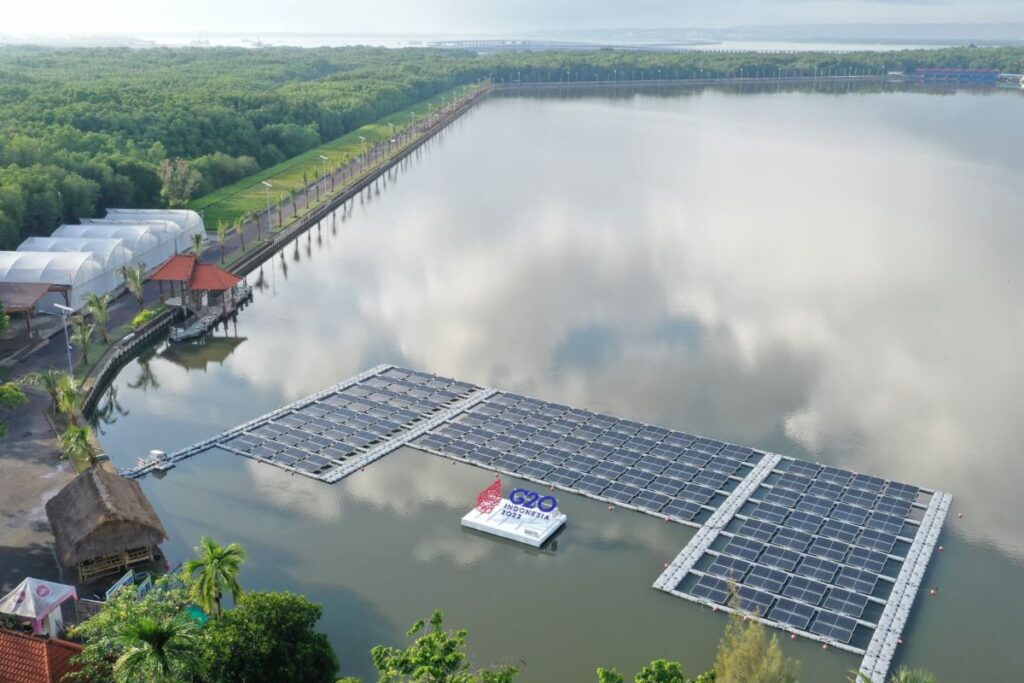
Let’s address the elephant in the room: traffic, waste, infrastructure. Yes, these are real challenges. Anyone who has sat in Canggu traffic or driven past an overflowing collection point knows it.
But here’s the interesting part—recent data and policy direction suggest something different than the usual pessimism. There is:
▪ Significant national-level focus on infrastructure expansion
▪ Growing investment into waste management solutions
▪ Increased coordination between central and provincial government
In other words:
Bali’s challenges are now being taken seriously at scale. Will everything be fixed in five years? No. But will it be noticeably better? Very likely.
And that changes the narrative from “Bali is struggling” to “Bali is catching up with its own success.”
Not Just Tourism Anymore
One of the biggest changes is subtle—but powerful. Bali is no longer just a holiday destination. It’s becoming a place where people:
▪ Live for months or years
▪ Raise families
▪ Build businesses
▪ Create communities
The two-week tourist is still here. But increasingly, Bali is attracting the six-month resident. That shift brings new layers:
▪ International schools
▪ Healthcare facilities
▪ Co-working hubs
▪ Wellness and longevity spaces
It’s not replacing tourism—it’s evolving it.
A More Conscious, Higher-Quality Bali
There’s also a shift in who Bali is attracting. More people are coming not just for beaches and parties, but for:
▪ Culture
▪ Nature
▪ Wellness
▪ Slower, more intentional living
Government direction is moving the same way: fewer visitors, but higher value. Which means in five years:
▪ Prices may be higher
▪ Standards will definitely be higher
▪ Expectations—both from guests and authorities—will be higher
Growth… With Growing Pains
Of course, no story like this is perfect. Bali will continue to face:
▪ Environmental pressure
▪ Overdevelopment concerns
▪ Cultural balance challenges
But perhaps the real story isn’t the pressure itself—it’s how Bali responds to it. Because what’s emerging now is a clearer divide between:
▪ Thoughtful, sustainable development
▪ And short-term, opportunistic building
And that divide will define the next phase.
So… What Will It Feel Like?
In five years, Bali will still feel like Bali. The ceremonies will still happen. The mornings will still smell like incense and coffee. The sunsets will still stop you in your tracks. But layered on top of that will be:
▪ Better systems
▪ More structure
▪ A stronger sense of direction
Not less magic. Just a little more maturity.
Final Thought
Bali has always had a way of finding its balance—between chaos and calm, growth and preservation.
And if current momentum continues, the next five years won’t take Bali away from what makes it special. It will simply help it hold on to it a little better.
Feat Image: Lachlan Rennie via Unsplash