

There’s something interesting happening in Indonesia right now. Not loud. Not dramatic. But steady.
On 23 April, Rosan Roeslani, Minister of Investment and Head of BKPM, announced that Indonesia recorded Rp498.8 trillion in investment in Q1 2026.
That’s already almost a quarter of the annual target. Over 700,000 jobs created. Big numbers. But if you’ve spent time here—really spent time here—you’ll know: Indonesia is not a country you understand through numbers alone.
The Feeling Behind the Figures
For years, Indonesia has been described as “full of potential.” You’ve probably heard it:
▪ “Huge market”
▪ “Young population”
▪ “Untapped opportunity”
And yet, for many investors, the experience didn’t always match the promise. Things took time. Processes weren’t always clear.
Advice… well, let’s say it could vary depending on who you asked. But something has shifted. Not overnight—but noticeably.
A Country Starting to Organise Itself
What we’re seeing now isn’t just more investment. It’s more structured investment. The government’s push for hilirisasi—downstreaming—is a big part of that. Less raw exports, more value creation inside the country.
At the same time:
▪ Licensing systems are becoming more integrated
▪ Data between institutions is starting to connect
▪ Enforcement is slowly—but surely—catching up
It’s not perfect. But it’s moving. And that matters.
Global Uncertainty, Local Confidence
Zoom out for a second. The world right now is… complicated. Capital is cautious. Markets are shifting. Investors are looking for stability—but also growth.
And somehow, Indonesia is managing to offer both. Not because it’s the easiest place to do business. But because it’s becoming a place where: effort is starting to match reward.
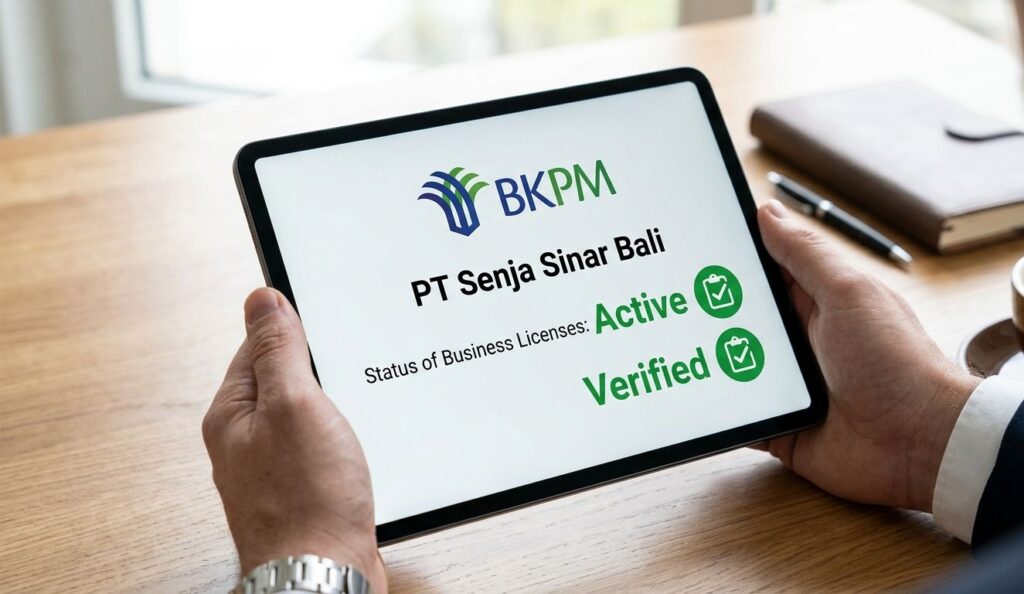
Bali: A Microcosm of the Bigger Picture
If you want to see this shift up close, just look at Bali. Over the past year, conversations have changed. Where it used to be:
▪ “Can I buy this?”
▪ “Can I rent this out?”
It’s now:
▪ “Is this properly licensed?”
▪ “What structure do I need?”
▪ “Will this hold up in the long term?”
There’s more awareness. More questions. And, yes—more pressure. Especially with:
▪ OTA compliance discussions
▪ Zoning enforcement
▪ The reality that running a business here means actually… running a business
From Opportunity to Responsibility
This is the part many people don’t talk about. Indonesia is still full of opportunity. But it’s no longer the kind where you can just “figure it out later.”
The market is growing up. And with that comes a shift:
From shortcuts → to structure
From speculation → to strategy
From “can I?” → to “how should I?”
So What Do These Numbers Really Mean?
Rp498.8 trillion.
706,000 jobs.
They’re impressive, yes. But more importantly, they reflect something deeper:
A country that is slowly aligning itself
A system that is becoming more connected
A market that is starting to reward the right approach
And Maybe That’s the Real Story
Indonesia isn’t becoming simpler. If anything, it’s becoming more complex. But it’s also becoming more predictable.
And for investors—serious investors—that’s a good thing. Because in the long run:
Clarity beats chaos
Structure beats shortcuts
And trust beats everything
How Seven Stones Can Help
At Seven Stones Indonesia, this is exactly where we operate. Not just in the opportunity. But in the reality behind it. We help investors:
▪ Understand what’s really happening
▪ Structure their investments properly
▪ Navigate the space between regulation and execution
Because in today’s Indonesia: It’s not just about entering the market. It’s about entering it the right way
Final Thought
Indonesia has always had potential.
Now, it’s starting to have direction. And that’s where things get interesting.