

The other day, I was sitting somewhere in Bali—as we often do. Not in a boardroom. Not in a meeting. Just… sitting. Watching the day go by.
Offerings on the ground, a bit of traffic in the distance, that mix of calm and chaos that somehow only Bali manages to create. And then someone said something that made me pause: “They’re planning to turn Bali into a financial center.”
I remember thinking… really?
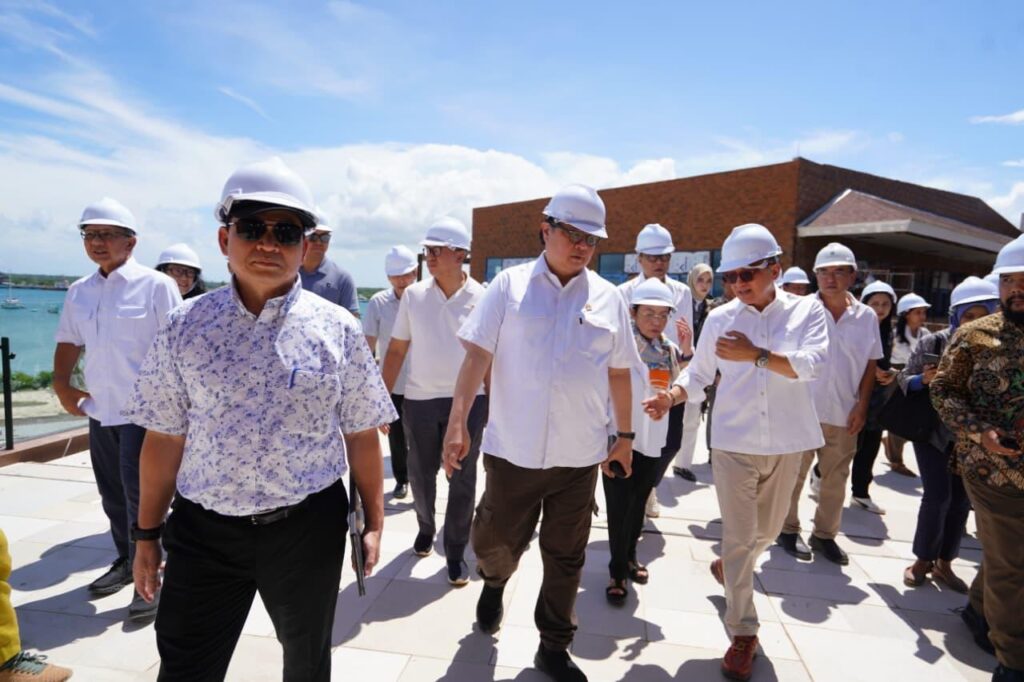
Not tourism. Not villas. Not beach clubs. But finance. Capital. Institutions. Centered around Kura Kura Bali.
It Sounds Strange… Until It Doesn’t
If you had told me this 15–20 years ago, I probably would have laughed. Bali was something else back then. Simpler. Slower. A bit more unpredictable—but in a charming way.
But Bali has never really stood still. It changes. Quietly sometimes. Chaotically at other times. But always forward. And when you look at it today—not just as a place, but as a system—you start to see something different.
Bali is no longer just attracting tourists. It’s attracting:
▪ People with capital
▪ People with mobility
▪ People who can choose where they want to live—and work
And that changes everything.
Why Bali… Actually Makes Sense
On paper, this shouldn’t work. If you design a financial center from scratch, you go for:
▪ Infrastructure
▪ Efficiency
▪ Order
You go for Singapore. You go for Dubai. You go for places built for that purpose. But here’s the thing: Bali doesn’t compete on that. It competes on something else entirely.
Lifestyle. And I’ve seen this shift happen in front of me over the last years. People are not just coming here for a holiday anymore. They’re coming here with:
▪ Businesses
▪ Investments
▪ Long-term plans
Families are moving. Kids are going to school here. Capital is quietly settling in. And once that happens… the next step is almost logical.
So What Are They Actually Trying to Do?
The plan is to build an International Financial Center within a Special Economic Zone. Something inspired by Dubai International Financial Centre.
Now, I’ve seen many “inspired by” projects in Indonesia over the years. Some have worked. Some haven’t. But this one is interesting because it’s not just about copying something. It’s about adapting it to a very different environment.
Kura Kura Bali is being positioned as more than just offices. It’s supposed to become:
▪ A financial hub
▪ A knowledge center
▪ A place for research and sustainability
▪ A lifestyle destination
Which, in many ways, sounds very… Bali.
What Indonesia Is Really Trying to Do
If you strip away the headlines, this is not really about Bali. It’s about Indonesia. It’s about taking a step away from being seen primarily as:
▪ A tourism destination
▪ A resource economy
And moving toward something else: A place where capital flows. A place where decisions are made. A place where value is created—not just consumed.
And honestly… that’s a necessary move. Because tourism alone is not enough. We’ve seen how quickly it can disappear.
But Let Me Be Honest for a Moment
This is where my experience in Indonesia makes me pause a bit. Because none of this works without one thing: Trust. And trust is not built with announcements. It’s built with:
▪ Clear rules
▪ Consistent enforcement
▪ Predictability
And if we’re honest, that’s where Indonesia is still evolving. Not failing—but evolving. There is still a gap between: What is written and how things sometimes work in reality
And in finance… that gap matters. A lot.
There Will Be Questions—and Resistance
And I think that’s healthy. Because projects like this should be questioned. People will ask:
▪ What happens to local communities?
▪ What happens to the environment?
▪ Who really benefits from this?
And then there’s the quiet skepticism from investors: “Is this real… or is this just another ambitious idea?” I’ve heard that question many times over the years.
So Where Do I Think This Goes?
Not to Singapore. At least not anytime soon. And maybe that’s not even the goal. What I see as more realistic—and actually quite powerful—is something else: Bali becoming a different kind of financial hub.
Not the biggest. Not the most efficient. But perhaps the most livable. A place where:
▪ Family offices base themselves
▪ ESG and sustainability funds operate
▪ Investors spend time—not just money
A hybrid between lifestyle and capital.
A Thought I Keep Coming Back To
After all these years here, I’ve learned something: Bali doesn’t become something else. It absorbs things… and reshapes them.
So the real question is not: “Can Bali become a financial center?” The real question is: “What kind of financial center will Bali become… on its own terms?”
And Maybe That’s the Point
Because at the end of the day, no matter how ambitious the plans are, it will come down to something quite simple: Does it work?
Not on paper. Not in presentations. But in reality. And if there’s one thing I’ve learned here, it’s this: If it only works on paper… it won’t work for long.
One Last Thought
We talk a lot about Bali in emotional terms. And that won’t change. But if this direction continues, Bali will also need to be understood differently. As a place where: Capital meets structure.
And in today’s market—and even more in the future— Structure is everything.