

There’s something quite powerful about the idea of coming home. Not as a tourist. Not as a visitor. But as someone who belongs—whether by blood, history, or connection.
For years, Indonesia’s diaspora—former citizens, their children, and even grandchildren—have lived in a bit of a grey zone. Connected to Indonesia, often emotionally invested, sometimes even economically active… but without a clear, long-term legal pathway to truly settle.
That’s now changing. And like much of what we’re seeing in Indonesia these days, it comes with one clear message: Opportunity is opening—but structure comes with it.
A New Chapter: Regulation No. 3 of 2025
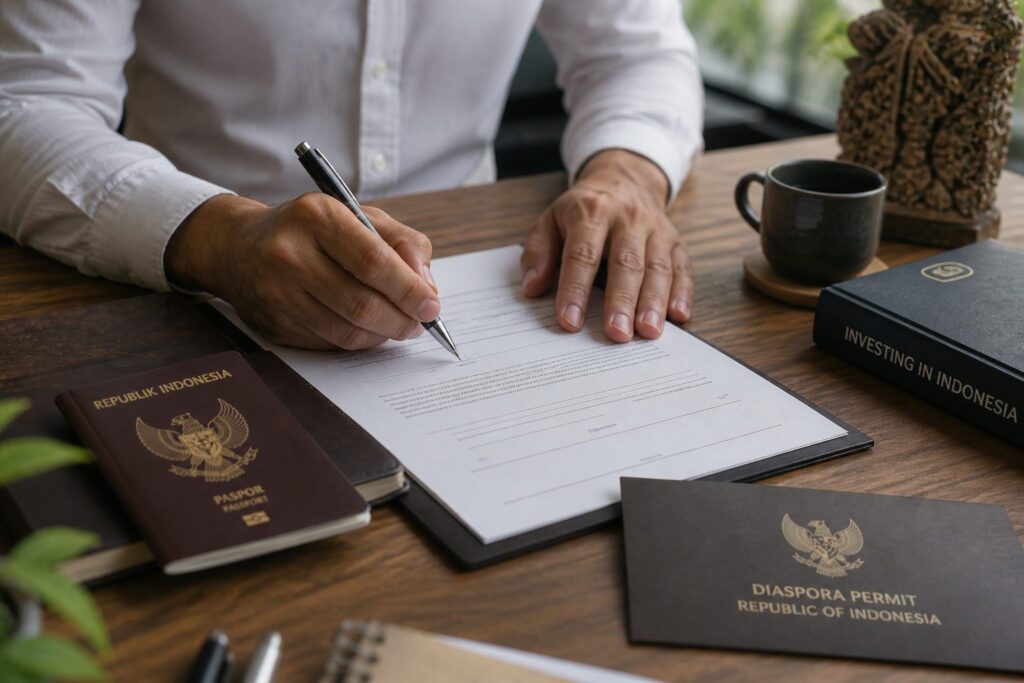
In May 2025, the government introduced a new framework under Regulation No. 3 of 2025, reshaping how Indonesian diaspora can return, live, and even build a future here.
At its core, this regulation does something important: It recognizes the diaspora not just as visitors—but as long-term contributors. And that changes the game.
From Temporary to (Almost) Permanent
Previously, many diaspora members navigated Indonesia through short-term visas or complex setups. Now, the pathway is clearer:
▪ Entry through VITAS (Limited Stay Visa)
▪ Transition into ITAS (Limited Stay Permit)
▪ And ultimately, the possibility of ITAP (Permanent Stay Permit)
But here’s where it gets interesting: Some ITAP holders can now enjoy unlimited duration residency, With a simple reporting obligation every five years.
That’s a significant shift. Not just administratively—but psychologically. It tells people: you can build a life here again.
Yes, There’s a Catch: Commitment.
Now, let’s be clear. This is not a “free pass.” Indonesia is opening the door—but asking for seriousness in return. Applicants without sponsors must show financial commitment, ranging from:
▪ US$10,000 to US$100,000, depending on category and duration
▪ Or even property investment of US$1 million for permanent settlement
And this fits perfectly into what we’ve been saying for years: “In today’s Indonesia, structure is everything.”
This is not about restricting people—it’s about filtering for those who are ready to contribute, not just consume.
A Quiet but Important Shift: Rights to Work and Do Business
One of the more overlooked—but powerful—elements of this regulation is this: Certain diaspora permit holders can now work or engage in business activities to support themselves and their families. This is big.
Because historically, immigration status and business activity in Indonesia have been… let’s say… complicated. Now, we’re seeing:
▪ More clarity
▪ More flexibility
▪ But also more accountability
From Flexibility to Accountability
And that’s the balance Indonesia is clearly aiming for. With opportunity comes responsibility:
▪ Mandatory reporting every five years
▪ Obligation to update address, status, or civil changes
▪ Risk of permit revocation if absent from Indonesia for extended periods
In other words: This is not passive residency. This is active participation in Indonesia’s system.
What This Really Means (Beyond the Legal Text)
If you step back and look at the bigger picture, this regulation is not just about visas. It’s about positioning. Indonesia is quietly saying: “We want our people back—but on terms that support long-term national growth.”
And that aligns with broader trends we’re seeing:
▪ Stronger regulatory enforcement
▪ More integrated data systems
▪ A push toward quality investment and structured participation
The Opportunity (If Done Right)
For the diaspora, this opens real doors:
▪ Long-term living without constant visa stress
▪ Participation in Indonesia’s economy
▪ Potential involvement in property, business, and development sectors
But—and this is important—this must be approached correctly. Because while immigration may now allow you to stay… Business and investment activities still require proper structuring. This is where many still get it wrong.
Final Thought: It’s Not Just About Coming Back—It’s About Belonging Again
There’s something quite emotional about this shift. For many diaspora families, Indonesia has always been “home”… just slightly out of reach.
Now, the door is open again. But this time, it’s not informal. It’s not flexible in the old sense. It’s structured. And maybe that’s exactly what Indonesia needs right now.
At Seven Stones, Our View
We see this as part of a much larger transformation: Indonesia is becoming more open—but also more disciplined.
More welcoming—but also more structured. And for those who understand how to navigate that balance… The opportunity is real.