

Indonesia is not introducing a wave of new tourism laws. It is enforcing the ones that have always existed.
For years, Bali’s tourism and villa sector operated in a grey zone. Rapid growth, pandemic disruption, digital nomad expansion, and misinformation across social media created a parallel market of informal operators.
Now, Indonesia is restoring structure. And this shift is not about restriction. It is about building a sustainable, credible tourism industry for the next decade.
A Market That Grew Faster Than Its Framework
Over the last four years, we have seen:
▪ Nominee Pondok Wisata structures used for commercial villas
▪ Properties built in green or residential zones operating as tourism assets
▪ Villas listed on OTAs without NIB, PBG, SLF or tourism licenses
▪ Tax non-registration despite strong occupancy rates
▪ Confusion between short-term rental and long-term lease models
The result? An uneven playing field. Compliant investors were competing with operators who ignored licensing, zoning, tax, and building safety requirements. That era is closing.
The March 2026 Enforcement Milestone
Under Government Regulation No. 28/2025 (Risk-Based Business Licensing – OSS RBA) and Ministry of Tourism Regulation No. 6/2025, all accommodation providers must be properly licensed and registered through the OSS system.
By March 31, 2026, OTA platforms are required to cross-check listings against OSS registration and tourism licensing data. This is not a new rule. It is coordinated enforcement of:
▪ UU No. 10/2009 on Tourism
▪ OSS Risk-Based Licensing
▪ Building permit requirements (PBG)
▪ Certificate of Proper Function (SLF)
▪ Local tourism registration
▪ Tax compliance (NPWP / NPWPD)
The difference today is integration. Through the OSS RBA system, agencies now cross-reference zoning, building permits, business classification (KBLI), tax ID, and operational licensing in one digital ecosystem.
The Structural Reality: PT PMA vs PT PMDN
One of the biggest areas of confusion today concerns company structure. While foreign investors may establish a PT PMA for many sectors, short-term rental licensing in practice has become structurally limited for PT PMA entities in most standard villa cases.
In almost all practical scenarios involving standalone villas intended for short-term rental:
▪ A domestic PT PMDN structure is the only viable operational pathway.
▪ A PT PMA frequently cannot obtain the required short-term rental tourism license under local interpretation and zoning enforcement practices.
▪ Attempting to force a PT PMA structure into a short-term villa model often results in rejection, delay, or exposure.
This is not clearly explained in marketing materials or broker conversations. But in enforcement reality on the ground, company structure alignment with zoning and operational model is critical.
Each project must be assessed individually based on:
▪ Zoning classification
▪ Scale of operation
▪ Number of units
▪ Integrated development vs standalone villa
▪ Land title structure
▪ Management model
There is no “one template solution.”
Also Read : The Compliance Wave Is Coming: Why Bali Investors Should Conduct a 2026 Compliance Audit
Bali’s Compliance Gap
Government mapping in late 2025 revealed approximately:
▪ 29,000 OTA listings in Bali
▪ Around 14,500 formally registered properties
A compliance gap of nearly 50%. This gap represents:
▪ Tax leakage
▪ Zoning abuse
▪ Safety risks
▪ Investor exposure
▪ Market distortion
Enforcement is not about punishing investors. It is about restoring credibility.
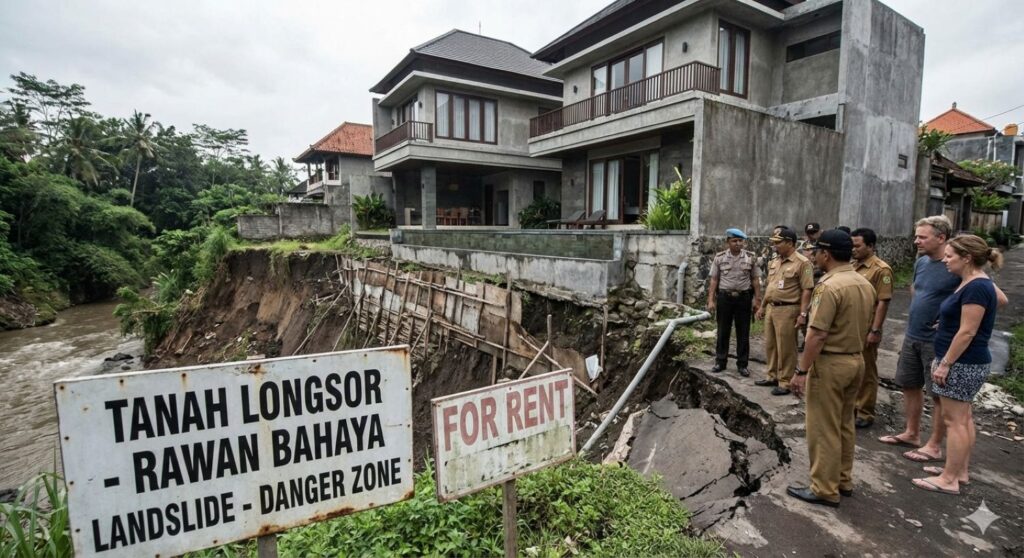
What Has Actually Changed?
1. Digital Integration
The OSS system now links:
▪ Business registration (NIB)
▪ KBLI classification
▪ Zoning confirmation
▪ PBG and SLF building compliance
▪ Tourism licensing
▪ Tax registration
This interoperability removes the ability to “look compliant” on paper while missing critical approvals.
2. Clear Risk Classification
Under the Risk-Based Approach:
▪ Pondok Wisata (KBLI 55130) → Medium-Low Risk
▪ Villa (KBLI 55193) → Medium-High Risk
▪ Hotels → High Risk
Each category carries specific obligations. Misclassification is now easily detectable.
3. Coordinated Enforcement
Platforms such as Airbnb, Booking.com, Agoda and VRBO are expected to verify licensing status. Local governments (DPMPTSP), tourism offices, and Satpol PP are aligned.
The era of informal operation under nominee structures is narrowing rapidly.
Also Read : Why Buying Property in Bali Is Harder in 2026 — and Why That’s Actually a Good Thing
The Real Risk: Paper Compliance vs Structural Compliance
We often see investors who believe they are compliant because:
▪ The villa is listed on Airbnb
▪ They have a lease agreement
▪ The land broker “said it was tourism zone”
▪ They pay some tax occasionally
That is not compliance. True compliance requires alignment across:
1. Zoning (RTRW / RDTR confirmation)
2. Correct KBLI classification
3. Valid NIB
4. PBG and SLF
5. Tourism operational permit
6. Correct company structure (PT PMDN vs PT PMA alignment)
7. Tax registration and reporting
If one pillar fails, the structure weakens. And enforcement tends to surface gaps during audits — not during purchase.
Why This Enforcement Is Good for Bali
Bali’s brand has long relied on culture, safety, and quality.
Unlicensed mass development undermines:
▪ Infrastructure
▪ Local community balance
▪ Environmental sustainability
▪ Tourism reputation
Formalisation supports:
▪ Professionalisation of the sector
▪ Transparent investment
▪ Improved data collection
▪ Fair taxation
▪ Higher safety standards
The market is not closing. It is maturing.
Opportunity in Transition
With an estimated 50% of villas currently non-compliant, the coming 12–18 months will likely reshape the competitive landscape.
Licensed operators may see:
▪ 20–40% valuation premium
▪ Stronger occupancy stability
▪ Reduced unfair competition
▪ Stronger institutional investor confidence
▪ Lower enforcement exposure
For serious long-term investors, this is a consolidation phase.
How Seven Stones Indonesia Can Assist
At Seven Stones Indonesia, we approach this transition from a structural perspective.
1. Compliance Audit & Gap Analysis
We assess:
▪ Zoning alignment
▪ KBLI classification
▪ OSS registration
▪ PBG & SLF status
▪ Tourism licensing pathway
▪ Company structure suitability (PT PMDN vs PT PMA)
▪ Tax compliance position
2. Structural Reconfiguration
Where misalignment exists, we provide viable restructuring pathways. In many cases, this may involve:
▪ Transitioning operational structure
▪ Establishing a domestic PT PMDN vehicle
▪ Separating asset ownership from operational company
▪ Re-aligning licensing strategy
Seven Stones has viable solutions — but each case must be handled individually. There is no universal fix. Each property, zoning classification, and ownership structure requires separate legal analysis before determining the correct path forward.
3. Long-Term Risk Planning
We advise investors on:
▪ Sustainable structuring
▪ Regulatory exposure
▪ Enforcement trends
▪ Exit valuation protection
▪ Governance and reporting alignment
This is not about reacting to panic. It is about building correctly in a formalising market.
Final Thought
Bali is not introducing radical new tourism restrictions.
Indonesia is enforcing the framework that has always existed.
For those who built properly, this is validation.
For those who operated informally, it is a turning point.
And for structured investors, it is an opportunity. In today’s Bali market, structure is not optional. It is the foundation of long-term value.