

Anyone who has spent time in Bali knows the feeling. You hear about someone who bought land cheaply years ago, built quickly, rented it out effortlessly, and doubled their money.
Those stories still circulate at dinner tables and WhatsApp groups, usually followed by the question: “Why is it so complicated now?”
The short answer is: because Bali has changed. The longer—and more interesting—answer is that the island is not becoming more difficult for the wrong reasons. It’s becoming more structured. And for serious expatriates and long-term investors, that may turn out to be a quiet advantage.
It’s Not Just You — Buying Really Has Become Harder
There’s no point pretending otherwise. Compared to a decade ago, buying property in Bali now involves:
➤ More documentation
➤ More scrutiny around zoning and land use
➤ Clearer separation between residential and tourism activities
➤ Less tolerance for informal arrangements
➤ Greater accountability for owners, operators, and directors
What once felt fluid now feels procedural. What once relied on trust increasingly relies on paperwork.
For newcomers, this can feel discouraging. For long-time residents, it can feel like the rules have changed mid-game. In reality, the game itself has matured.
The End of the Easy Years
Bali’s “easy years” coincided with explosive growth, limited oversight, and a general desire to attract foreign capital at almost any cost.
That phase delivered results—but it also delivered congestion, zoning conflicts, environmental pressure, and legal uncertainty. At some point, the correction was inevitable.
What we’re seeing now is not a crackdown. It’s a recalibration.
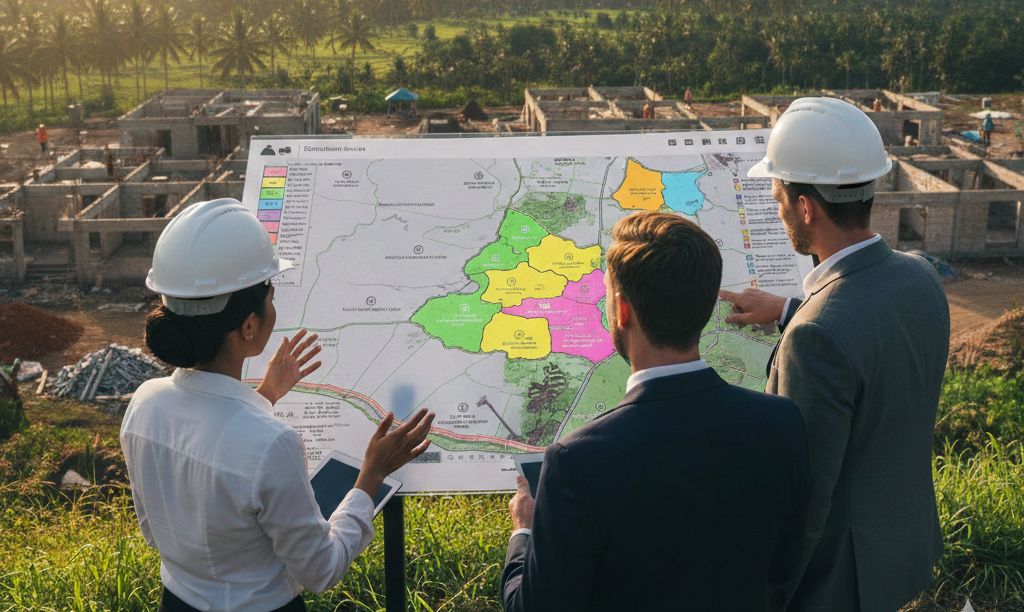
Authorities are drawing clearer lines:
⮕ What can be built, and where
⮕ What is considered residential living versus tourism business
⮕ What is tolerated informally and what must be formalized
For those used to flexibility, this feels restrictive. For those thinking long-term, it brings something Bali has often lacked: predictability.
When Harder Becomes Safer
One overlooked consequence of tighter regulation is that it reduces hidden risk.
In the past, many buyers unknowingly acquired assets that:
- Couldn’t be legally operated as intended
- Would be difficult to sell to a compliant buyer
- Were vulnerable to future enforcement
- Depended heavily on personal relationships rather than legal standing
Those risks didn’t disappear—they were simply postponed. As compliance becomes non-negotiable, those same assets are now being exposed.
Meanwhile, properly structured properties quietly gain value, not because they’re flashier, but because they’re defensible. Harder entry tends to protect those already inside—if they entered correctly.
What Serious Investors Are Doing Differently
The tone of buyer conversations has changed. Instead of asking “What’s the return?” as a starting point, many now ask:
- Is this zoning stable?
- Does the intended use match the permits?
- Could this structure survive tighter enforcement in five years?
- Would I feel comfortable explaining this investment to a regulator?
Returns still matter. But they’re no longer pursued in isolation. This shift filters out impulsive decisions and favors patience, planning, and professional advice. In a market like Bali, that’s rarely a bad thing.
Why This Is Good News for Bali Itself
From a broader perspective, this evolution benefits the island. Clearer rules support:
✔︎ Better spatial planning
✔︎ More sustainable development
✔︎ Reduced conflict between locals, investors, and authorities
✔︎ A healthier long-term property market
Bali is not trying to be cheap anymore. It’s trying to be livable. And livable places tend to reward investors who think beyond the next season.
Where Seven Stones Indonesia Fits In
In a more regulated environment, the role of advisors changes. Seven Stones Indonesia works primarily on the buyer side, helping expatriates and international investors understand not just what is available—but what is viable. That includes:
● Early analysis of zoning and legal feasibility
● Identifying properties aligned with long-term use, not short-term loopholes
● Structuring investments that assume rules will tighten, not relax
In today’s Bali, the most valuable insight is often knowing why not to buy.
A Different Way of Looking at 2026
It’s easy to frame Bali’s changes as obstacles. But another way to see them is as a sign that the island is protecting itself—from speculation, from overdevelopment, and from instability.
Buying property here may be harder than it once was. But harder doesn’t mean worse. It often means more considered.
For expats who plan to stay, build responsibly, and integrate into Bali’s future rather than rush through it, this new phase may turn out to be exactly what the island—and its investors—needed.