

There’s a quiet shift happening in Indonesia—one that hasn’t made as many headlines as elections or tourism numbers, but could reshape how business operates across the country in the years ahead.
The Indonesian Government is finalizing its Draft Bill on Climate-Change Management, now officially part of the 2026 National Legislative Priority List.
At first glance, it reads like another environmental regulation. But if you look closer, it’s something bigger. This is Indonesia moving from policy talk to measurable, enforceable systems.
And for investors, developers, and operators—especially in places like Bali—this matters more than you might think.
From Ideas to Systems: A More Structured Approach
Indonesia has long acknowledged its vulnerability to climate change. Being an archipelago, rising sea levels, shifting weather patterns, and environmental degradation are not abstract concerns—they’re daily realities.
What this Draft Bill does differently is introduce structure. Not just policies, but a full framework:
▪ Planning
▪ Monitoring
▪ Control
▪ Enforcement
And importantly—it applies to everyone:
▪ Government
▪ Regional authorities
▪ Businesses
▪ The general public
That’s where things start to get real.
The Data Era Begins: Emissions Inventories
One of the most important changes is the introduction of mandatory climate inventories. In simple terms, this means: Measuring emissions properly—sector by sector, activity by activity.
Businesses will increasingly be expected to understand:
▪ Where emissions come from
▪ How much they produce
▪ What can be reduced or offset
This isn’t just about compliance—it’s about visibility. And once something becomes measurable in Indonesia’s regulatory ecosystem, it usually doesn’t stay optional for long.
Carbon Becomes a Currency: The NEK Framework
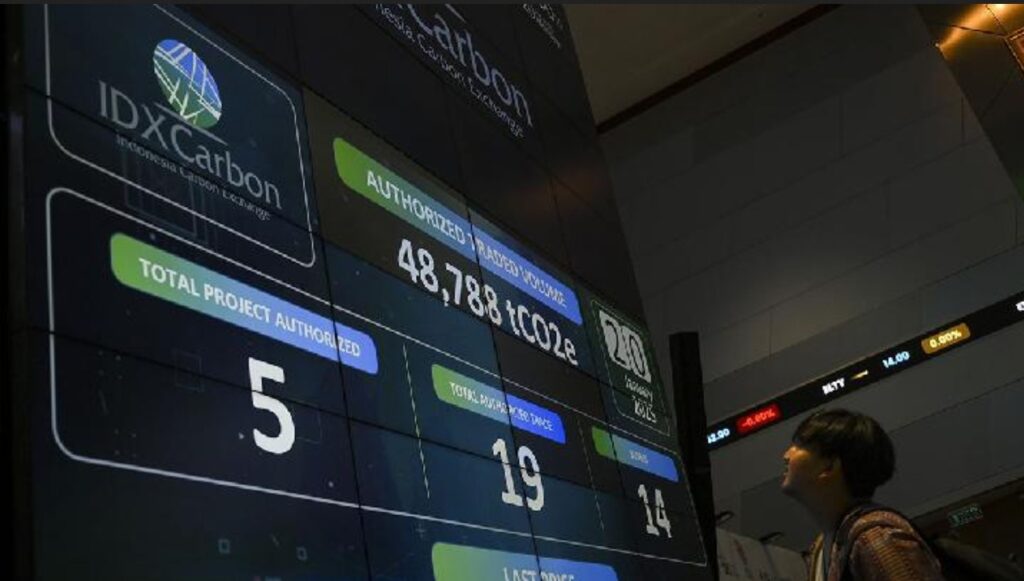
Perhaps the most interesting part of the bill is the introduction of Nilai Ekonomi Karbon (NEK)—or carbon economic value. This is where climate policy meets business reality.
The government is effectively saying: Carbon has value. And that value will be managed.
The mechanisms include:
▪ Carbon trading
▪ Carbon offsetting
▪ Levies
▪ Performance-based payments
If this sounds familiar, it should. It mirrors global trends—but adapted to Indonesia’s regulatory environment. For investors and developers, this opens both:
▪ Risk (compliance, cost, reporting)
▪ Opportunity (green positioning, premium assets, future incentives)
A New Player: Centralized Climate Authority
The Draft Bill introduces a new body—the Badan Pengelolaan Perubahan Iklim (BPPI). This agency will:
▪ Coordinate climate policy
▪ Set implementation mechanisms
▪ Oversee carbon-related systems
And importantly—it reports directly to the President. That tells you everything about priority.
Enforcement: Where Theory Meets Reality
If there’s one consistent theme in Indonesia today, it’s this: Enforcement is catching up with regulation. The Draft Bill reinforces that trend.
Sanctions will include:
▪ Written warnings
▪ Government intervention
▪ Suspension of environmental permits
▪ Full revocation of permits
And here’s the key shift: Even regional governments can be sanctioned if they fail to enforce compliance. This is part of a broader pattern we’re already seeing:
▪ OSS system integration
▪ Cross-agency data sharing
▪ Increased inspections
Climate compliance is simply becoming part of that ecosystem.
What This Means on the Ground (Especially in Bali)
Now let’s bring this back to reality. For many businesses—particularly in Bali—the immediate reaction might be: “This feels far away.” But it’s not.
Think about:
▪ Villa developments
▪ Hospitality operations
▪ Land use changes
▪ Infrastructure projects
All of these are tied to environmental impact. And as Indonesia moves toward:
▪ Data-driven governance
▪ Measurable compliance
▪ Integrated licensing systems
Environmental obligations won’t sit separately anymore—they’ll be embedded into:
▪ Permits
▪ Operations
▪ Financing
The Bigger Picture: Structure Is Becoming the Standard
We often say in Bali’s property market: “Structure is the new luxury.” This Draft Bill fits perfectly into that narrative. It’s not about stopping development. It’s about:
▪ Formalizing it
▪ Measuring it
▪ Aligning it with global expectations
For serious investors, this is actually good news. Because markets that:
▪ Track data
▪ Enforce rules
▪ Price risk properly
… tend to attract more stable, long-term capital.
Key Takeaways
▪ Indonesia is moving toward integrated, data-driven climate governance
▪ Carbon is becoming part of the economic and regulatory system
▪ Enforcement will increase—not just rules on paper
▪ Businesses should start thinking about emissions, reporting, and exposure now
▪ For investors, this signals a maturing market—not a restrictive one
Final Thought
Indonesia is not reinventing the wheel here. It’s catching up with global standards—but doing so in its own way. And like many regulatory shifts in this country, the real impact won’t come from the law itself…
… but from how quickly systems begin to connect, measure, and enforce. That’s when things change.
How Seven Stones Can Help
At Seven Stones Indonesia, we see these shifts early—because they don’t happen in isolation. Climate regulation connects directly to:
▪ Land use and zoning
▪ Development permits
▪ Operational licensing
▪ Investment structuring
We help investors and developers:
▪ Understand regulatory exposure
▪ Structure projects for long-term compliance
▪ Position assets for a future where sustainability is not optional—but expected
If you’re planning, building, or investing in Indonesia, now is the time to align early—not fix later. Reach out to us—we’re happy to guide you through it.