

If you’ve been keeping an eye on Bali’s real estate or tourism scene lately, you already know things are changing fast.
But this week, the Ministry of Tourism dropped an announcement that might sound like dry tech jargon at first glance, but will likely trigger one of the biggest shakeups the island’s villa market has seen in years.
Indonesia is building an integrated API verification system with major Online Travel Agents (OTAs) like Airbnb, Booking.com, and Agoda.
In plain English? The government is plugging its licensing database directly into booking platforms. And honestly? It was probably inevitable.
What’s Actually Happening? (The TL;DR)
Soon, if you want to list a property on an OTA in Indonesia, you won’t just need nice photos and a catchy description. You’ll need to provide three specific pieces of government data:
▪ NIB (Business Identification Number)
▪ KBLI (Your specific business classification code)
▪ NKU (Business Activity Number)
The platform’s tech will automatically talk to Indonesia’s OSS (Online Single Submission) licensing system. If your data matches and your property is legally registered, your listing stays live. If it doesn’t? Your listing could be rejected or pulled down.
This is Bigger Than Just “More Bureaucracy”
It’s easy to look at this and groan, “Great, another layer of red tape.” But the real story here isn’t just about rules; it’s about digital integration.
For years, Bali’s accommodation market has been a bit of a Wild West. You had fully compliant, structured operators on one side, and people operating in total grey areas on the other—some intentionally, and some just because the system was confusing.
Meanwhile, booking platforms acted purely as marketplaces, not gatekeepers. Indonesia is changing that dynamic entirely. Instead of relying on manual spot-checks, random inspections, or neighbor complaints, the government is making legal compliance part of the digital ecosystem itself. No license, no online visibility.
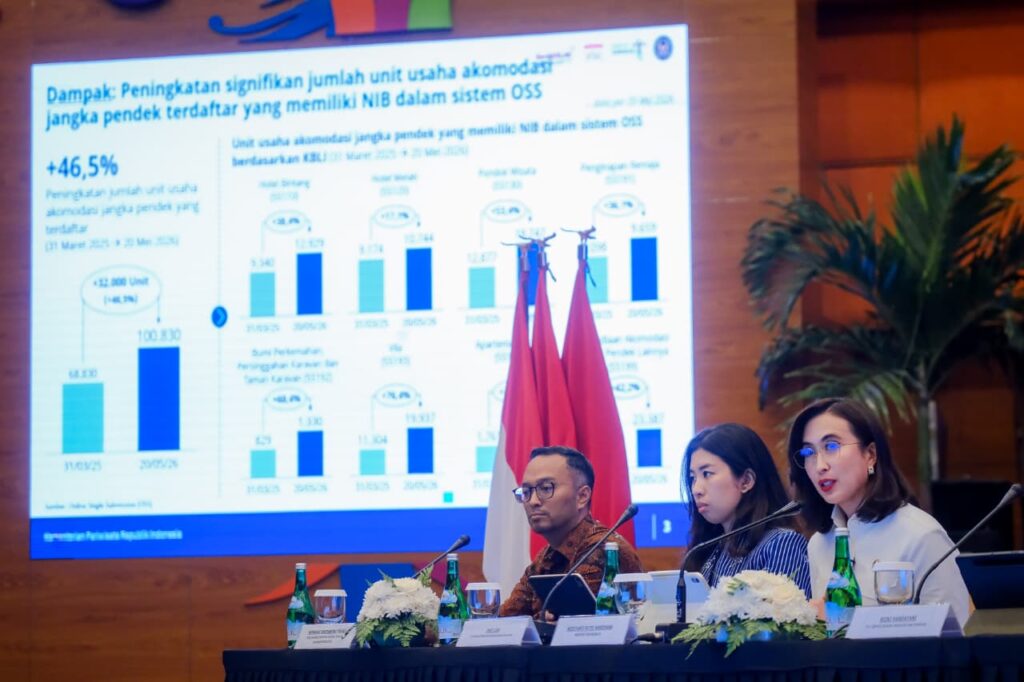
The Writing Has Been on the Wall This didn’t happen overnight. Since March 2025, the government has been running coaching clinics and working directly with OTAs to prep for this.
The push is already working: registered short-term rentals jumped by 46.5%, and official villa registrations skyrocketed by 76.4% over the last year. Operators are realizing it’s time to step into the light.
What Does This Mean for Bali?
Bali has grown exponentially. The explosion of luxury villas, digital nomad hubs, and boutique stays over the last decade has been incredible to watch. But rapid growth breeds inconsistency. We’ve all seen the debates over zoning laws, confusing KBLI codes, and questionable ownership structures.
This new API system is designed to bring total transparency to the table. And once everything is digital, enforcement becomes as simple as clicking a button.
This isn’t Indonesia trying to kill tourism investment. It’s Indonesia forcing the industry to grow up. Bali is no longer a sleepy backpacker island operating informally in the background of Southeast Asia; it’s a global powerhouse handling billions of dollars. Scale like that requires mature systems.
The New Playbook for Success
The transition won’t be seamless. The reality on the ground is still complex, and plenty of owners are currently scratching their heads trying to figure out which KBLI fits their exact business model. But it signals a massive shift in how we look at property value in Bali.
For a long time, winning the Bali villa game was all about location, stunning interior design, and a killer Instagram campaign. Those things still matter, of course. But moving forward, your legal structure is part of your business model.
The operators who thrive in Bali’s next chapter won’t just have the prettiest infinity pools. They’ll be the ones who combine a great guest experience with airtight legal structures, proper licensing, and the agility to adapt to Indonesia’s digital-first future.
The future of Bali tourism is official, integrated, and online. If you’re operating here, it’s time to make sure your paperwork matches your aesthetic.
Feat Image : via Ministry of Tourism